🧬⚖️ Lifestyle vs Genetics
What truly shapes your health—and how much control do you really have?
Are your health outcomes written in your DNA, or do your daily choices matter more? Many people blame genetics for weight gain, diabetes, heart disease, or low energy. Others swear by lifestyle changes—diet, exercise, sleep, and stress management. The truth lies in understanding how lifestyle and genetics interact.
In this in-depth guide, we’ll unpack Lifestyle vs Genetics, explain what science says, and show you how to take control of your health—regardless of your genetic background.
🌱 Understanding the Basics: What Are Genetics?
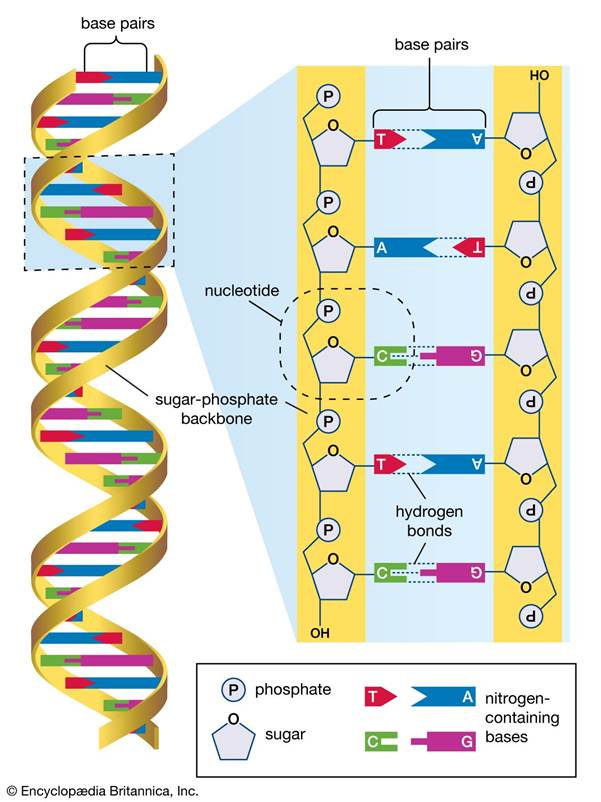
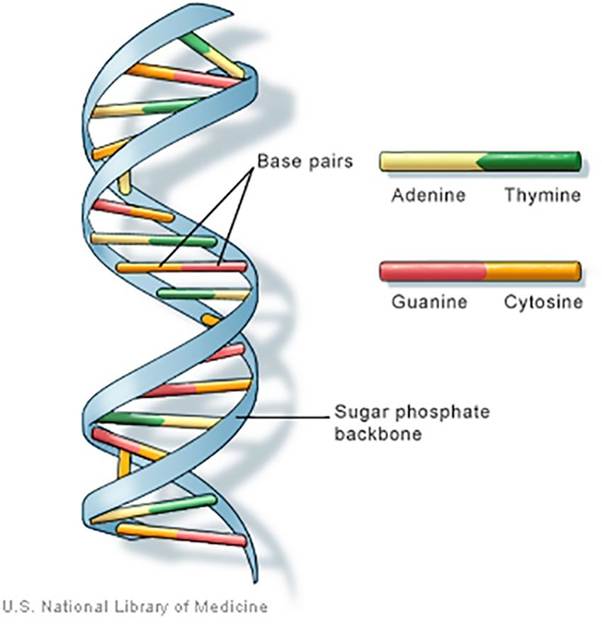
Genetics refers to the genes you inherit from your parents. These genes influence:
- Height and body structure
- Eye and hair color
- Metabolism tendencies
- Disease susceptibility
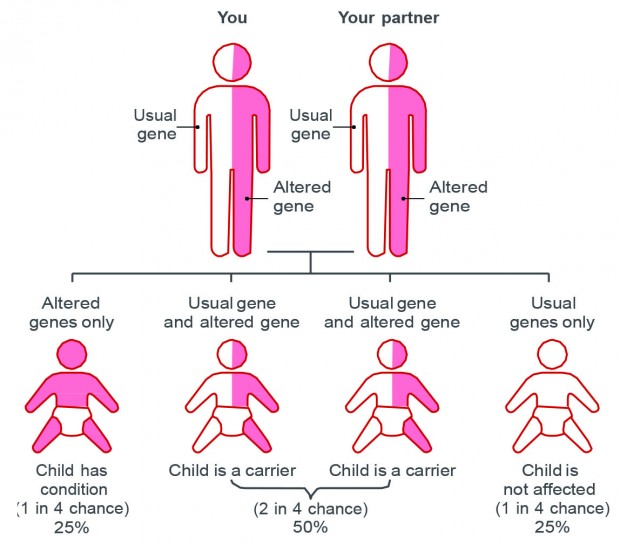
Genetics can increase risk, but in most cases, they do not guarantee outcomes.
👉 Genes load the gun—but lifestyle pulls the trigger.
🧠 What Is Lifestyle?
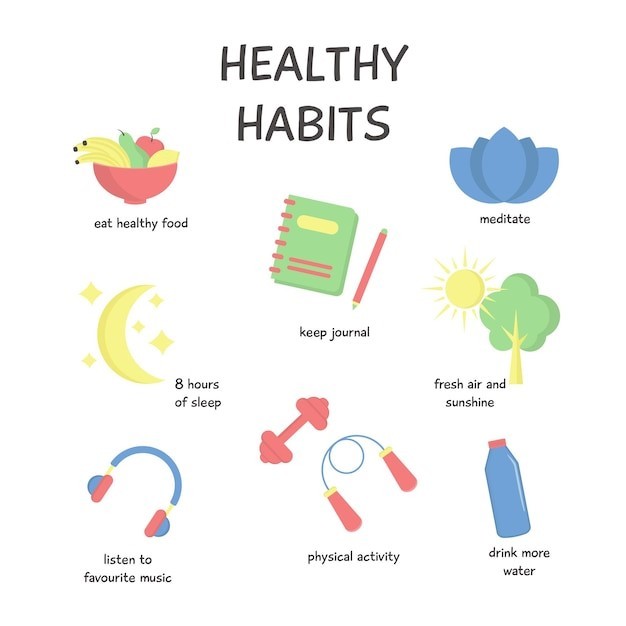
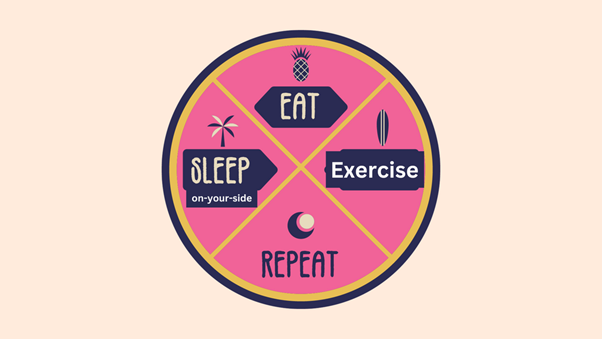
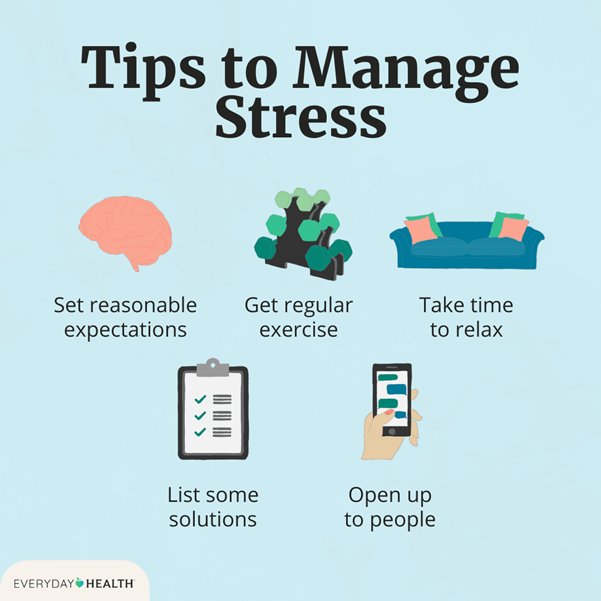
Lifestyle includes the choices you make daily:
- What you eat
- How much you move
- How well you sleep
- How you manage stress
- Smoking, alcohol, and screen habits
Unlike genetics, lifestyle is modifiable—and powerful.
⚖️ Lifestyle vs Genetics: Who Wins?
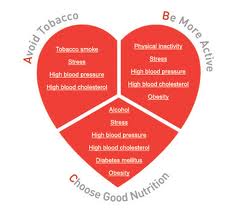
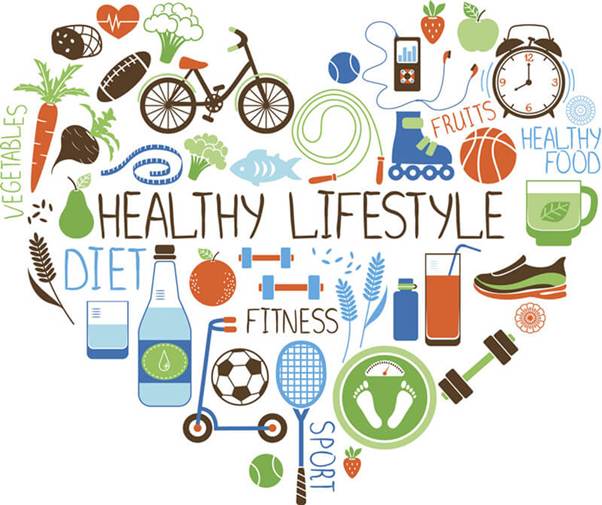
Most research suggests:
- Lifestyle accounts for ~70–80% of health outcomes
- Genetics accounts for ~20–30%
That means your habits usually matter more than your genes.
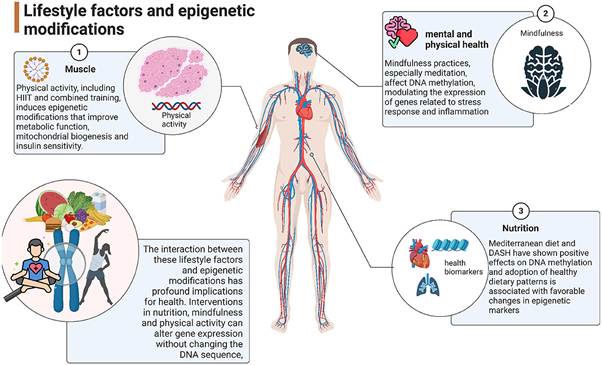
The Role of Epigenetics
Epigenetics explains how lifestyle can turn genes on or off. Diet, exercise, sleep, and stress can activate or silence certain genetic expressions.
👉 You can’t change your genes—but you can change how they behave.
🥗 1. Diet: The Strongest Lifestyle Lever
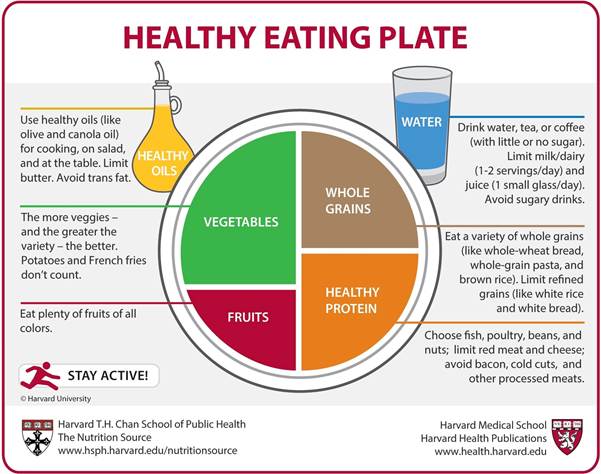
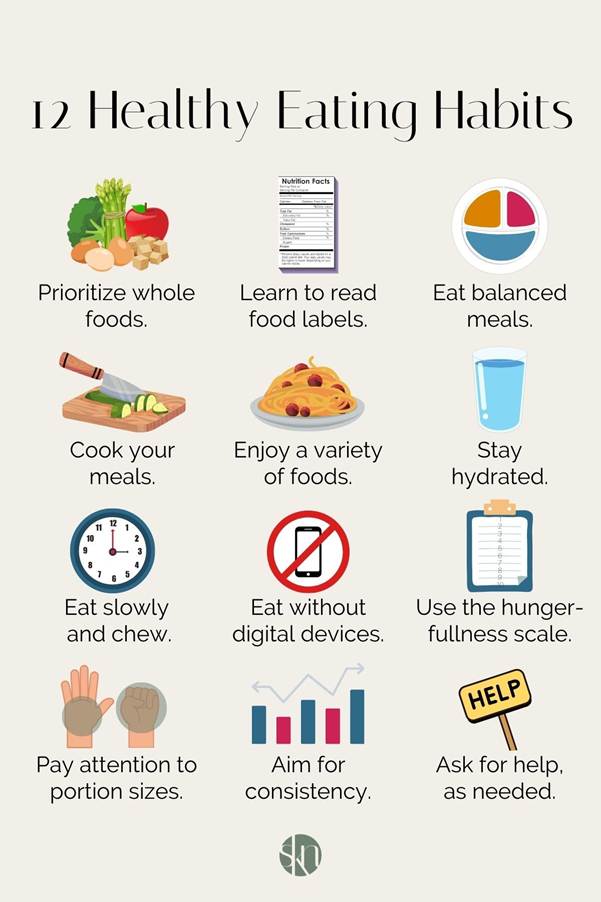
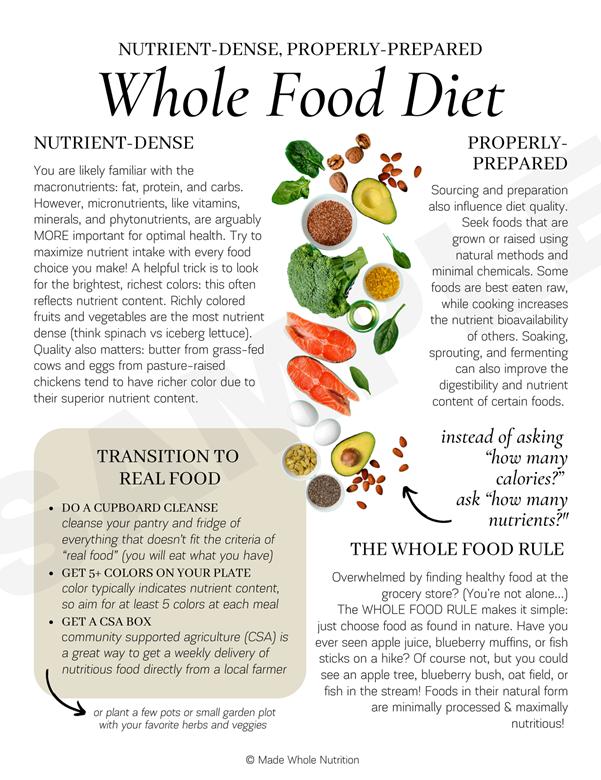
Even with a family history of disease, diet can dramatically reduce risk.
Lifestyle impact:
- Whole foods lower inflammation
- Fiber improves gut and heart health
- Protein preserves muscle and metabolism
- Sugar and ultra-processed foods increase disease risk
A healthy diet can override many genetic risks related to obesity, diabetes, and heart disease.
🏃♂️ 2. Physical Activity Beats Genetic Risk
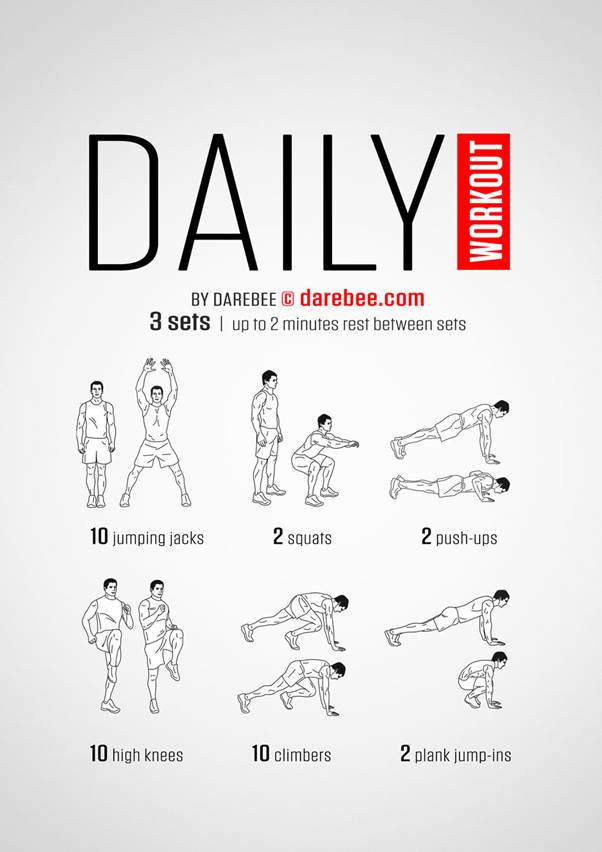
Some people inherit genes linked to slower metabolism or low muscle mass. Regular movement can counteract both.
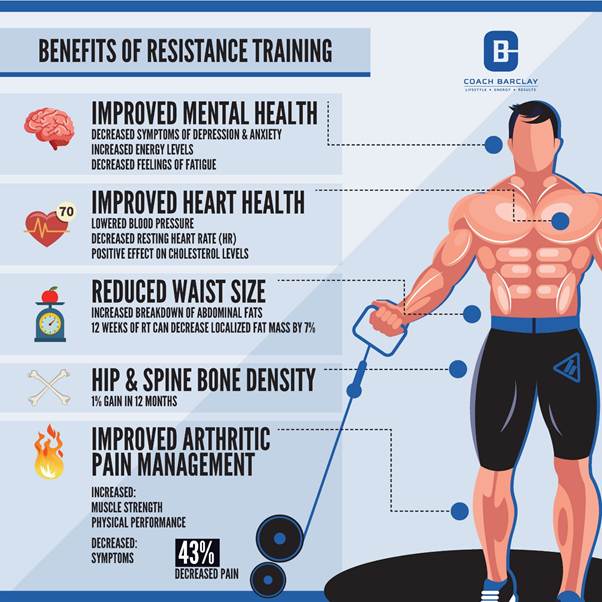
Benefits of exercise:
- Improves insulin sensitivity
- Strengthens heart and lungs
- Maintains muscle and bone density
- Boosts mental health
👉 Your genes may set limits—but movement expands them.
😴 3. Sleep: The Silent Gene Regulator
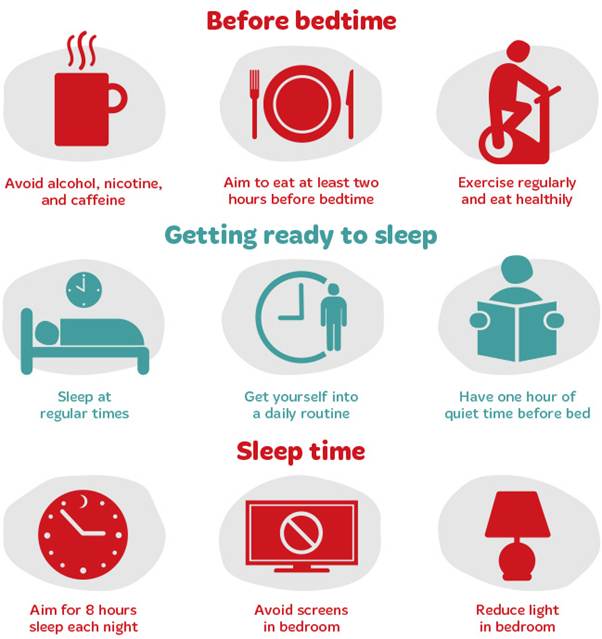
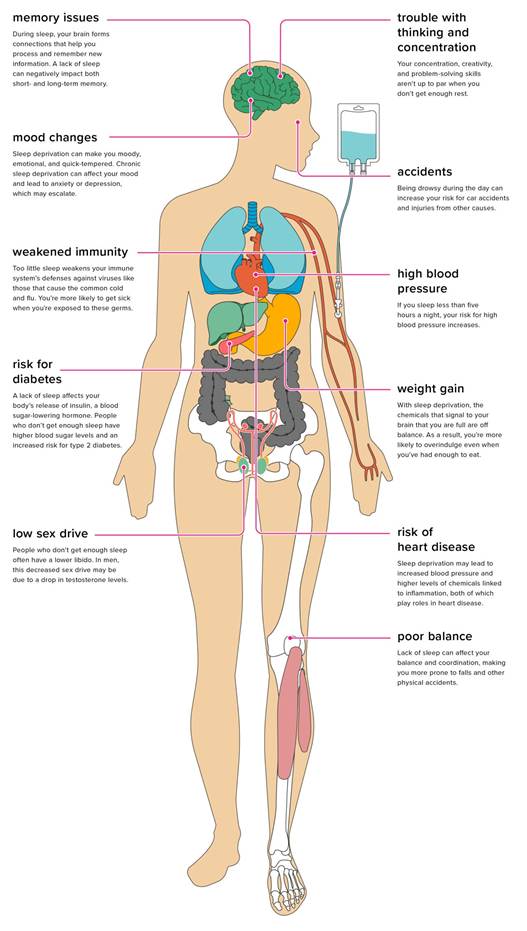
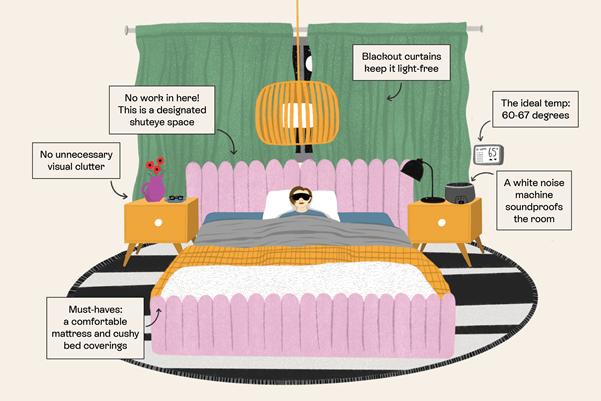
Poor sleep alters hormone balance and gene expression related to appetite, stress, and immunity.
Good sleep can:
- Regulate hunger hormones
- Improve mood and cognition
- Strengthen immune response
No genetic advantage can compensate for chronic sleep deprivation.
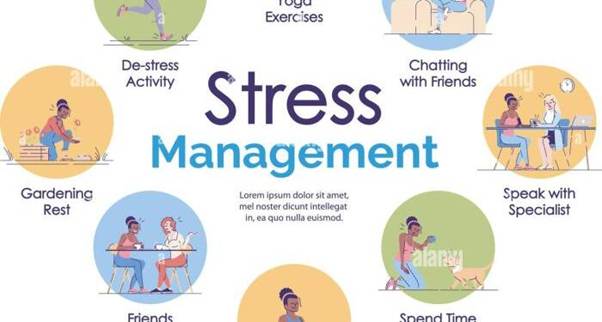
🧠 4. Stress Can Activate “Bad” Genes
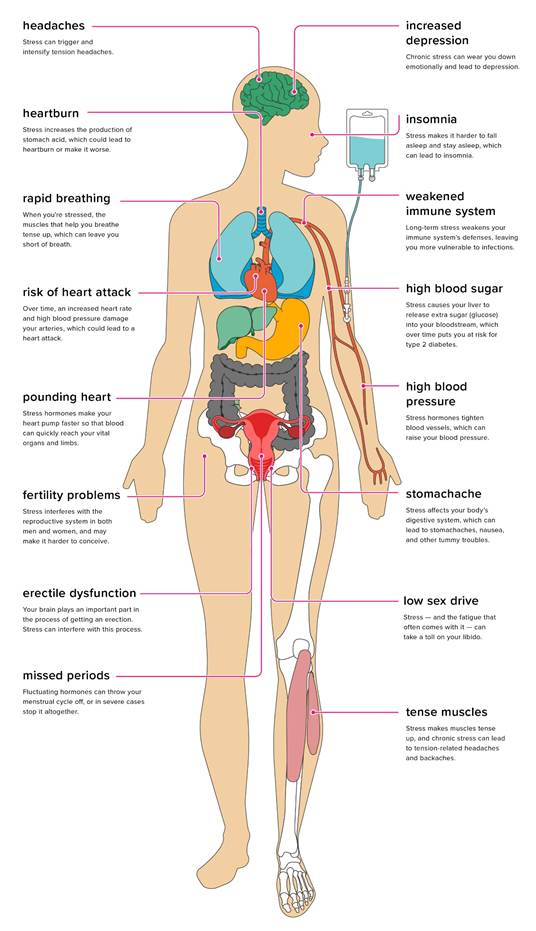
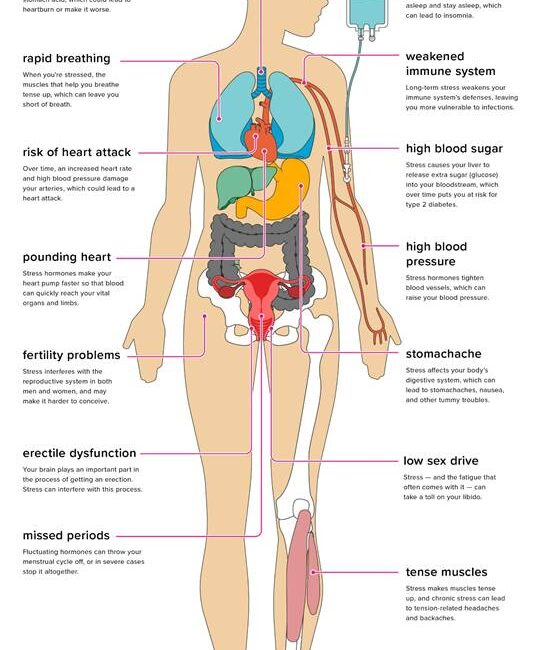
Chronic stress triggers inflammation and switches on genes linked to disease.
Lifestyle tools that help:
- Meditation and breathing
- Nature exposure
- Exercise
- Social connection
Managing stress can reduce genetic risk for heart disease, depression, and autoimmune issues.
🚬 5. Harmful Habits Multiply Genetic Risk
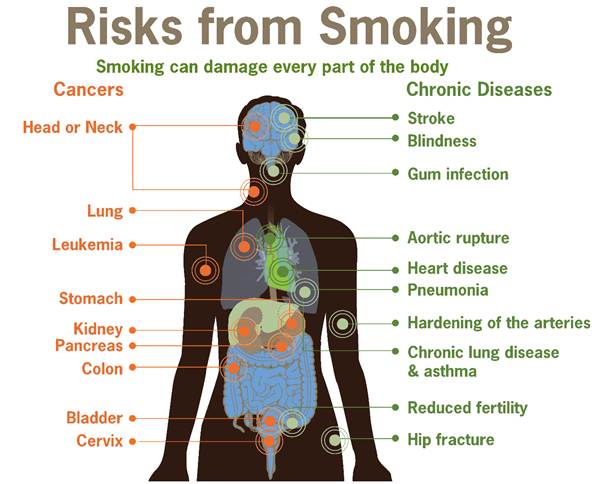
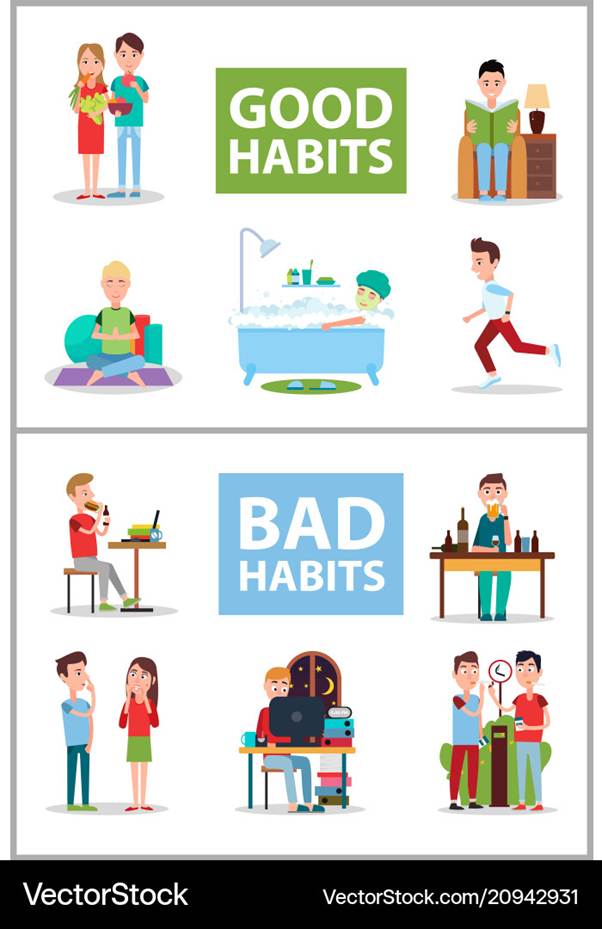
If you have genetic risk, unhealthy habits magnify it.
High-risk behaviors include:
- Smoking
- Excess alcohol
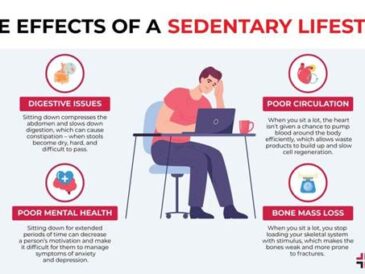
- Sedentary lifestyle
- Poor diet
👉 Bad habits don’t create good genes—they expose weak ones.
🧬 When Genetics Matter More
There are cases where genetics play a stronger role:
- Rare inherited disorders
- Certain cancers
- Some autoimmune conditions
Even then, lifestyle still affects severity, progression, and quality of life.
🛠️ How to Use Genetics to Your Advantage
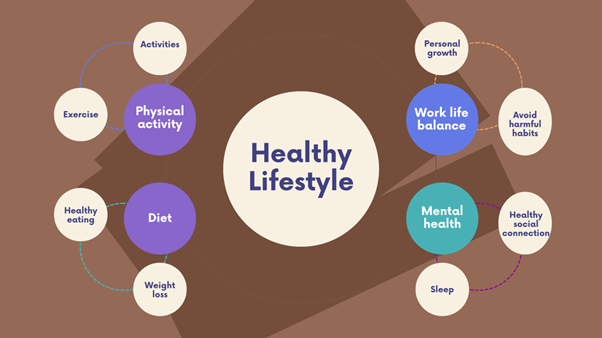
Instead of fearing genetics, use them as information.
Smart approach:
- Know your family health history
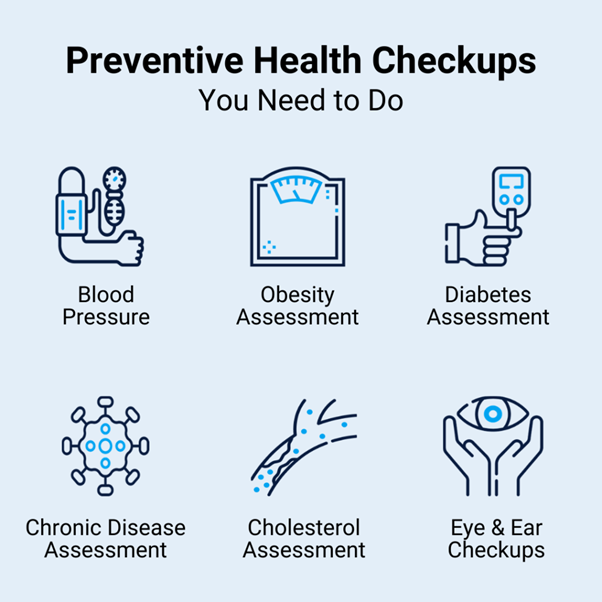
- Get preventive checkups
- Adopt protective habits early
- Personalize diet and exercise
👉 Awareness turns risk into prevention.
🌈 The Big Picture: Control What You Can
You didn’t choose your genes—but you choose:
- What’s on your plate
- How much you move
- When you sleep
- How you respond to stress
These choices shape how your genes express themselves—every single day.
✨ Final Thoughts: Lifestyle Is Your Superpower
The debate of Lifestyle vs Genetics has a clear winner for most people: Lifestyle. Genetics may influence the starting point, but lifestyle determines the direction.
You are not your DNA.
You are your habits, repeated daily.
🧬⚖️ Choose wisely—and rewrite your health story.