Sedentary Lifestyle Dangers
How too much sitting is silently damaging your health—and what you can do today
In today’s modern world, sitting has become the new normal. Long office hours, screen-based jobs, binge-watching, scrolling on phones, and even online shopping have made our lives more comfortable—but also more sedentary. While sitting may feel harmless, a sedentary lifestyle is one of the biggest hidden threats to long-term health.
This article explores the dangers of a sedentary lifestyle, how it affects your body and mind, and simple, practical ways to reverse the damage—even if you have a busy schedule.
🌱 What Is a Sedentary Lifestyle?
A sedentary lifestyle means spending most of the day sitting or lying down, with very little physical movement. This includes:
- Sitting at a desk for long hours
- Watching TV or using mobile phones for extended periods
- Driving instead of walking
- Minimal or no exercise
Even if you exercise for 30 minutes a day, sitting continuously for 8–10 hours can still harm your health.
👉 Exercise is important—but movement throughout the day is essential.
⚠️ Why a Sedentary Lifestyle Is Dangerous
The human body is designed to move. When movement stops for long periods, multiple body systems begin to slow down, leading to serious health consequences over time.
❤️ 1. Increased Risk of Heart Disease
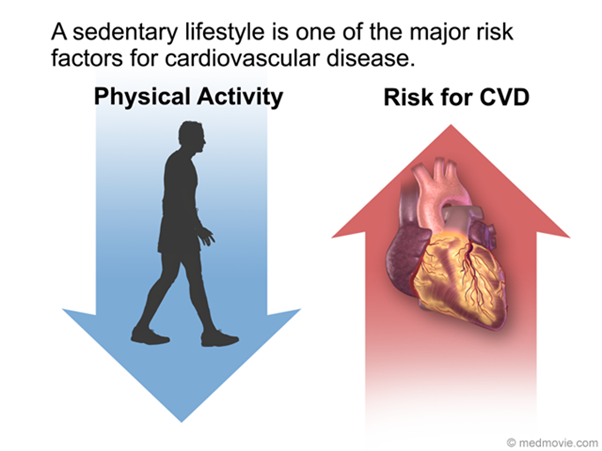

Prolonged sitting reduces blood circulation and increases bad cholesterol levels.
Health risks include:
- High blood pressure
- Heart attacks
- Poor circulation
Studies show that people who sit for long hours daily have a much higher risk of cardiovascular disease, even if they exercise occasionally.
🍔 2. Weight Gain and Obesity
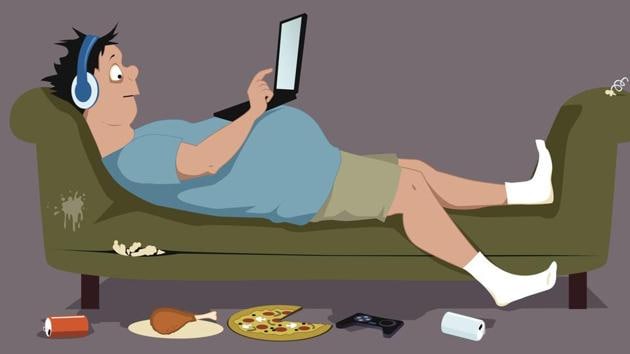
When you sit for long periods:
- Calorie burning slows down
- Fat storage increases
- Metabolism becomes sluggish
This leads to gradual weight gain, especially around the belly area.
👉 Sitting + unhealthy snacking = a dangerous combination.
🩸 3. Higher Risk of Type 2 Diabetes
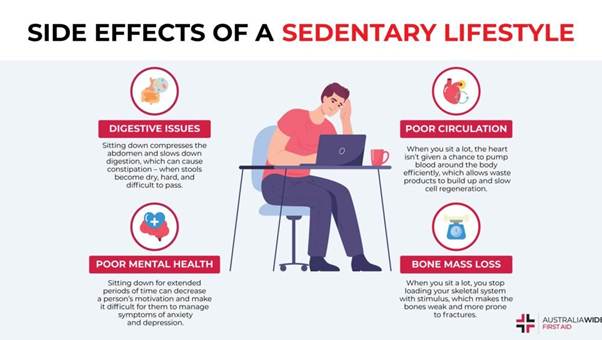
Long periods of inactivity reduce the body’s ability to regulate blood sugar.
Consequences:
- Insulin resistance
- Increased blood sugar levels
- Higher risk of type 2 diabetes
Even short, frequent movement breaks can significantly improve glucose control.
🦴 4. Weak Muscles and Poor Posture
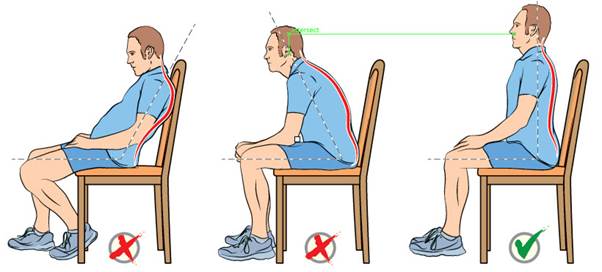
Sitting weakens important muscles, especially:
- Core muscles
- Glutes
- Back and legs
Common problems:
- Back and neck pain
- Slouched posture
- Reduced flexibility
Over time, this can lead to chronic pain and mobility issues.
🧠 5. Mental Health Problems and Low Energy

A sedentary lifestyle affects the brain as much as the body.
Mental health effects include:
- Increased stress and anxiety
- Low mood and depression
- Brain fog and low concentration
- Constant fatigue
Movement boosts endorphins—natural mood-enhancing chemicals your body needs.
🛌 6. Poor Sleep Quality
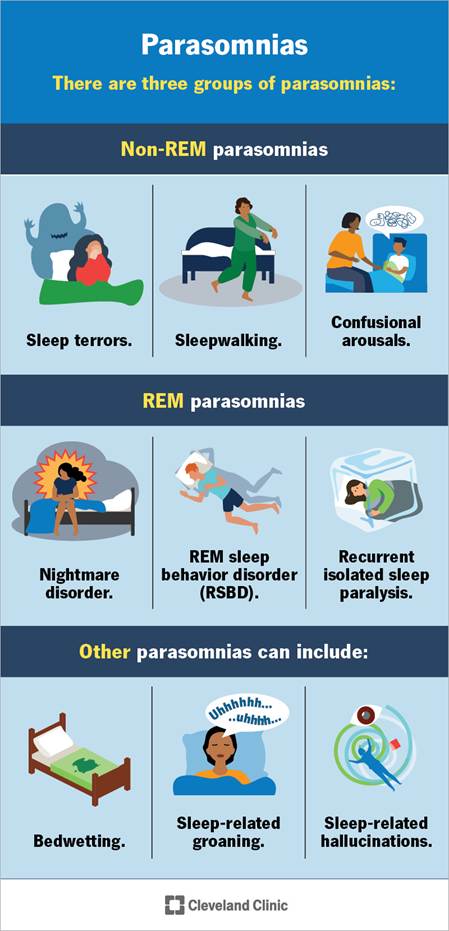
Lack of physical activity disrupts the body’s natural sleep cycle.
Results:
- Difficulty falling asleep
- Light, restless sleep
- Daytime tiredness
Regular movement helps regulate your sleep-wake rhythm.
🧬 7. Shortened Lifespan
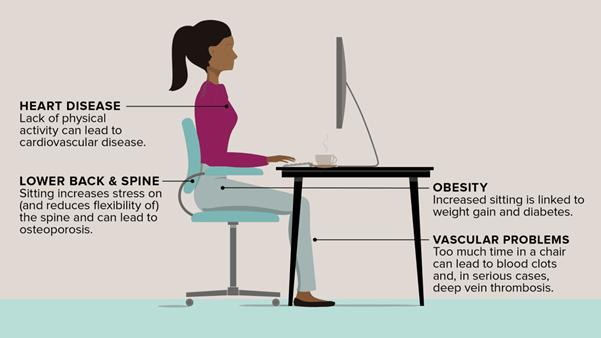
Research shows that excessive sitting is linked to:
- Higher risk of early death
- Faster aging
- Increased chronic disease risk
👉 Too much sitting can reduce lifespan, even if you exercise.
❌ Why Sedentary Habits Are So Common Today
- Desk-based jobs
- Work-from-home culture
- Easy access to screens
- Lack of time or awareness
The problem isn’t modern life—it’s lack of daily movement within it.
🔄 How to Reduce Sedentary Lifestyle Dangers (Simple Fixes)
You don’t need a gym or intense workouts. Small changes make a big difference.
✅ Move Every 30–60 Minutes
- Stand up
- Stretch
- Walk for 2–5 minutes
✅ Walk More
- Walk after meals
- Use stairs instead of elevators
- Park farther away
✅ Add “Active Breaks”
- 5–10 minutes of movement
- Desk stretches
- Short home exercises
✅ Use Standing or Adjustable Desks
Alternating between sitting and standing reduces health risks.
📅 Sample Anti-Sedentary Daily Routine
- Morning: Light stretching (5–10 min)
- Work hours: Stand/stretch every hour
- Afternoon: Short walk
- Evening: 20–30 minutes of movement
- Night: Gentle stretching
Consistency matters more than intensity.
🌈 Final Thoughts: Sitting Less Can Save Your Health
A sedentary lifestyle may feel normal—but it is far from healthy. The good news is that your body responds quickly to movement. Even small daily changes can reverse many of the dangers caused by prolonged sitting.
You don’t need to become an athlete.
You just need to sit less and move more.
💚 Your body was built to move—honor it daily.