In today’s fast-paced world, the phrase “healthy lifestyle” is used everywhere—on social media, in advertisements, and in everyday conversations. But what does it actually mean? Is it about strict diets, intense workouts, or waking up at 5 a.m. every day?
The truth is much simpler—and far more achievable.
A healthy lifestyle is not about perfection. It’s about making consistent choices that improve your physical, mental, and emotional well-being over time. Let’s explore what a healthy lifestyle truly means and how you can build one that fits your life.
Understanding a Healthy Lifestyle
A healthy lifestyle refers to habits and behaviors that promote overall wellness, reduce the risk of illness, and help you live a balanced, fulfilling life. It focuses on long-term well-being rather than short-term results.
At its core, a healthy lifestyle includes:
- Nutritious eating
- Regular physical activity
- Quality sleep
- Mental and emotional balance
- Healthy relationships
- Avoiding harmful habits
These elements work together. Ignoring one often affects the others.
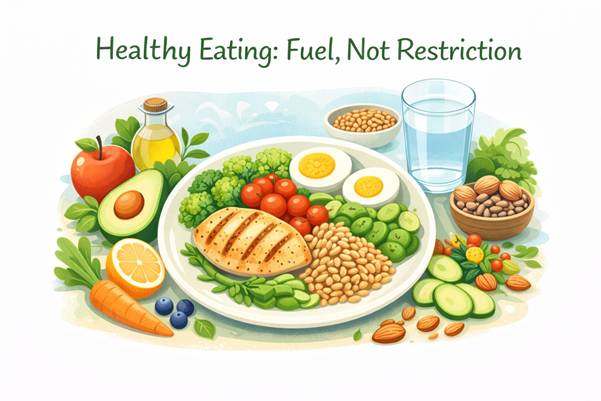
1. Healthy Eating: Fuel, Not Restriction
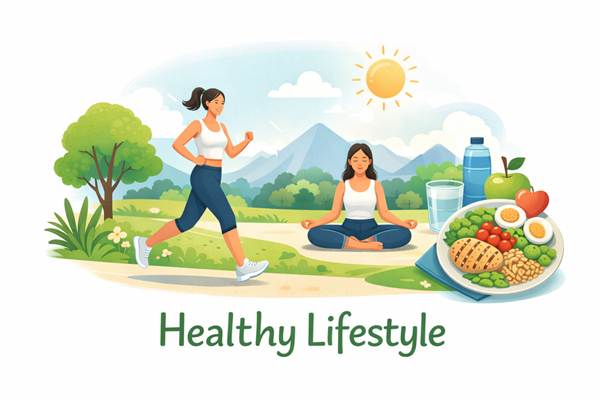
Healthy eating is not about starving yourself or following extreme diets. It’s about nourishing your body with the right foods.
Key principles of healthy eating:
- Eat more whole foods: fruits, vegetables, whole grains, nuts, seeds
- Include protein: lentils, beans, eggs, dairy, fish, or lean meat
- Choose healthy fats: nuts, seeds, olive oil, ghee (in moderation)
- Reduce processed foods, excess sugar, and refined carbs
- Stay hydrated by drinking enough water
A healthy diet gives you energy, supports immunity, improves digestion, and helps maintain a healthy weight. Remember, balance matters more than perfection.
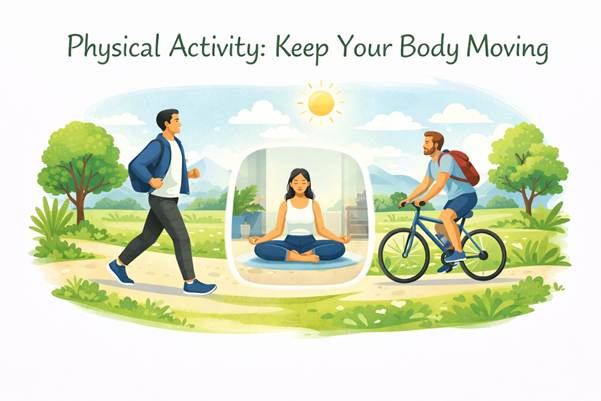
2. Physical Activity: Keep Your Body Moving
Exercise is one of the most important pillars of a healthy lifestyle. But you don’t need a gym membership to stay active.
Benefits of regular physical activity:
- Improves heart health
- Strengthens muscles and bones
- Boosts mood and energy levels
- Helps manage stress and anxiety
- Supports weight management
Simple ways to stay active:
- Walking for 30 minutes a day
- Yoga or stretching at home
- Cycling, swimming, or dancing
- Taking the stairs instead of the lift
The best exercise is the one you enjoy and can do consistently.
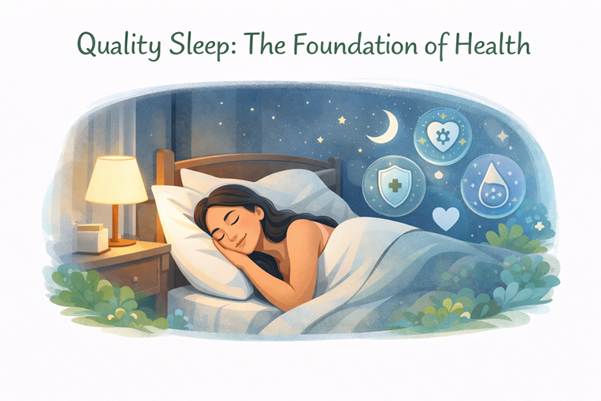
3. Quality Sleep: The Foundation of Health
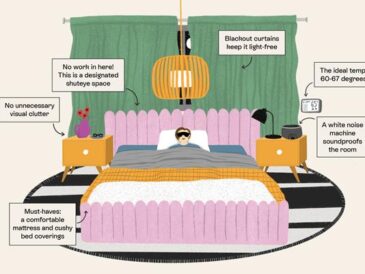
Sleep is often ignored, yet it plays a vital role in overall health. Adults generally need 7–9 hours of quality sleep each night.
Why sleep matters:
- Repairs the body and brain
- Supports memory and concentration
- Regulates hormones
- Strengthens immunity
- Improves emotional balance
Tips for better sleep:
- Maintain a regular sleep schedule
- Avoid screens at least 1 hour before bed
- Create a calm bedtime routine
- Limit caffeine late in the day
Good sleep is not a luxury—it’s a necessity.
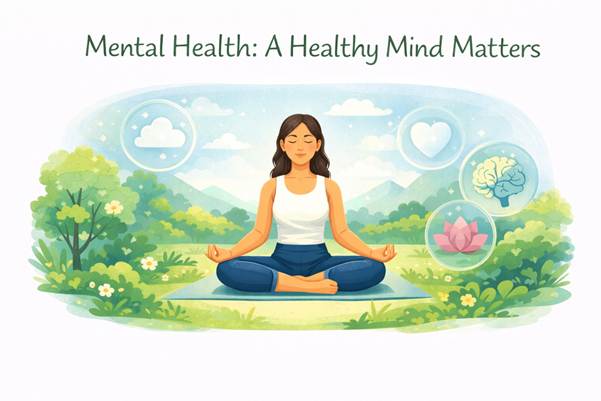
4. Mental Health: A Healthy Mind Matters
A healthy lifestyle is incomplete without mental well-being. Stress, anxiety, and negative thinking can affect both mind and body.
Simple mental health practices:
- Practice mindfulness or meditation
- Take short breaks during the day
- Express your emotions openly
- Spend time in nature
- Limit social media consumption
Taking care of your mental health helps you stay resilient, focused, and emotionally strong.
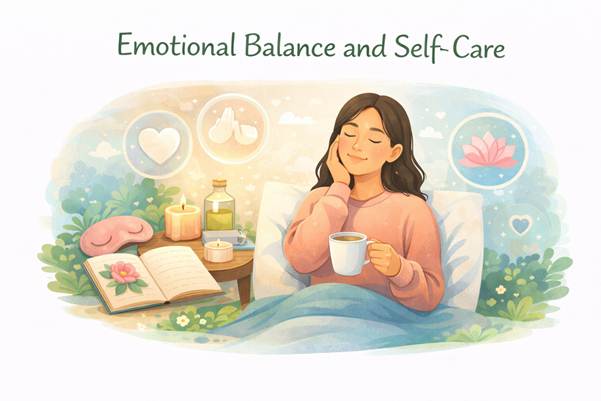
5. Emotional Balance and Self-Care
Emotional health is about understanding, expressing, and managing your feelings in a healthy way.
Self-care is not selfish—it’s essential.
Healthy self-care habits:
- Setting boundaries
- Saying no when needed
- Doing activities you enjoy
- Taking time for rest and reflection
- Practicing gratitude
When you respect your emotional needs, you improve your relationships and quality of life.
6. Healthy Relationships and Social Connection
Humans are social beings. Strong, positive relationships contribute greatly to a healthy lifestyle.
Benefits of healthy relationships:
- Reduce stress and loneliness
- Improve emotional well-being
- Encourage healthy habits
- Provide support during tough times
Make time for family, friends, and meaningful conversations. Even small social connections matter.

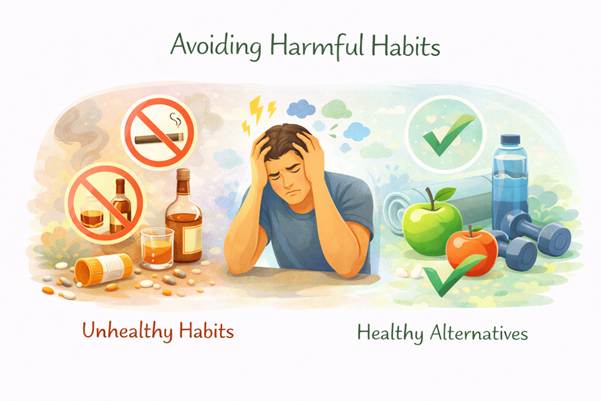
7. Avoiding Harmful Habits
A healthy lifestyle also means reducing or avoiding behaviors that harm your body and mind, such as:
- Smoking
- Excessive alcohol consumption
- Substance abuse
- Chronic stress and overwork
Replacing harmful habits with healthier alternatives can significantly improve long-term health.
8. Consistency Over Perfection
One of the biggest misconceptions about a healthy lifestyle is that you must be perfect. In reality, consistency matters more than intensity.
You don’t need to change everything at once. Small steps lead to lasting change:
- Add one vegetable to your meals
- Walk for 10 extra minutes
- Sleep 30 minutes earlier
- Practice deep breathing for 5 minutes
These small habits compound over time.

Building a Healthy Lifestyle That Fits You
There is no one-size-fits-all approach. A healthy lifestyle should match your:
- Age
- Work schedule
- Culture
- Health condition
- Personal preferences
Listen to your body. Choose habits you can sustain, not trends you can’t maintain.
Final Thoughts
A healthy lifestyle is not about living a strict or boring life. It’s about creating balance, feeling good in your body and mind, and improving your quality of life step by step.
You don’t have to be perfect to be healthy. You just have to be intentional.
Start today—one small habit at a time—and let your healthy lifestyle grow naturally.
Disclaimer: This article is for educational purposes only and does not replace professional medical advice.