⏳ Time Management for Health
How managing your time better can transform your body, mind, and lifestyle
In today’s fast-paced world, one of the most common excuses for poor health is “I don’t have time.” No time to exercise, no time to cook healthy food, no time to sleep properly, and no time to relax. But here’s the truth: health problems often come not from lack of time, but from poor time management.
When you manage your time well, health naturally improves. When time is unmanaged, stress, fatigue, poor habits, and illness slowly take over. In this article, you’ll learn how time management affects health, why it is essential for a healthy lifestyle, and how to manage your time smartly—without adding pressure.
🌱 What Is Time Management for Health?
Time management for health means:
- Planning your day in a way that supports your body and mind
- Making time for sleep, movement, meals, and mental rest
- Reducing stress caused by chaos and last-minute rush
👉 Health doesn’t require extra time—just better use of the time you already have.
🧠 Why Time Management Is Crucial for Health
Your body works best with routine, balance, and recovery. Poor time management leads to:
- Irregular sleep
- Skipped meals or junk food
- No physical activity
- Chronic stress
Good time management helps you:
- Build consistent healthy habits
- Reduce mental overload
- Improve energy and focus
- Prevent lifestyle diseases
😴 1. Time Management Improves Sleep Quality
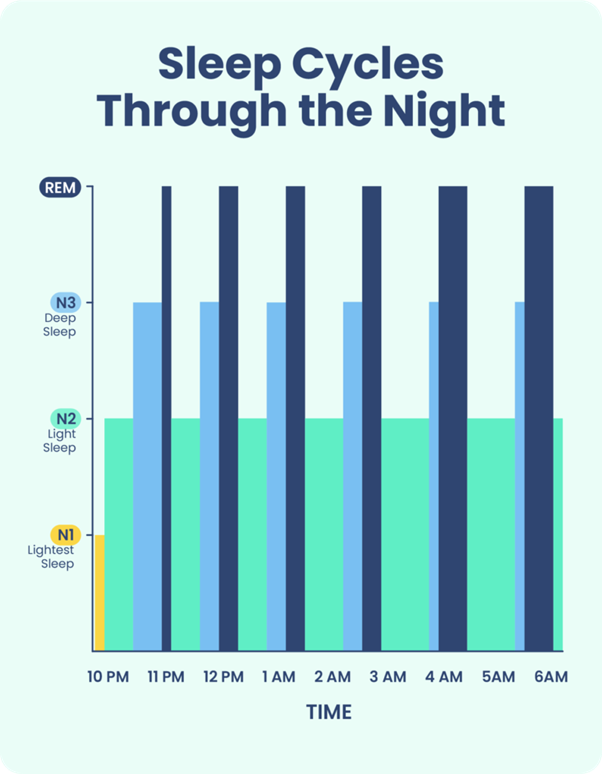
When time is poorly managed, sleep is usually the first sacrifice.
With good time management:
- You go to bed on time
- Screen usage is controlled
- Sleep becomes deeper and more refreshing
Health benefits of proper sleep timing:
- Strong immunity
- Better mood
- Improved memory and focus
- Balanced hormones
👉 Scheduling sleep is one of the most powerful health decisions you can make.
🍽️ 2. Helps Maintain Healthy Eating Habits
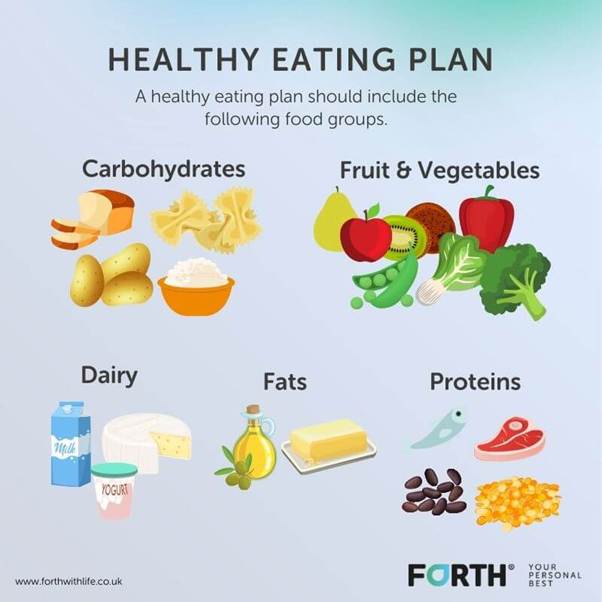
Lack of time often leads to fast food and skipped meals.
Time management helps by:
- Allowing meal planning and preparation
- Reducing dependence on junk food
- Encouraging mindful eating
Simple steps like planning meals for the day or week can drastically improve digestion, energy, and weight control.
🏃♂️ 3. Makes Regular Exercise Possible
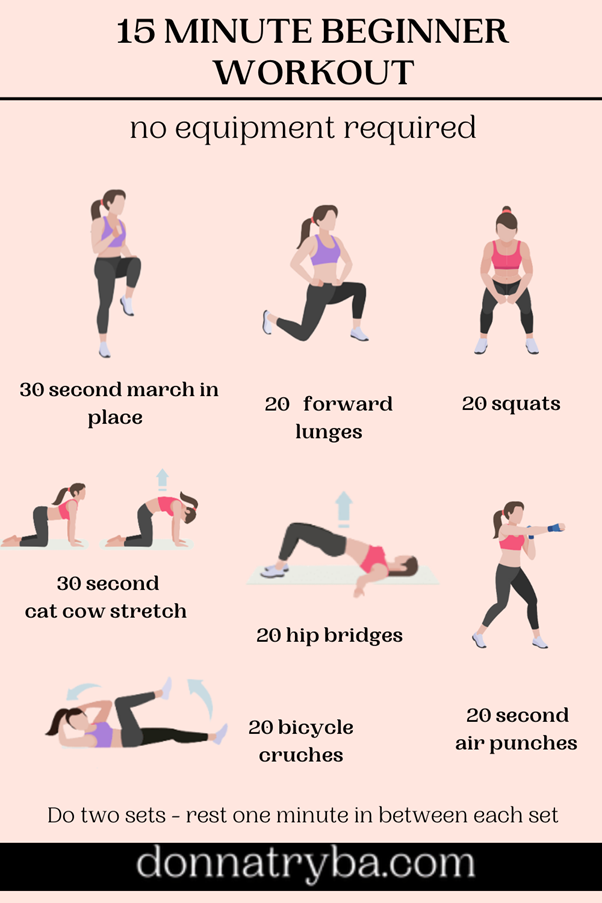
People don’t skip exercise because it’s unimportant—they skip it because it’s not scheduled.
Smart time management means:
- Blocking time for movement
- Treating exercise as a non-negotiable appointment
- Choosing realistic workouts
Even 20–30 minutes daily, when planned, is enough to improve heart health, strength, and mental well-being.
🧠 4. Reduces Stress and Mental Overload

Poor time management creates constant urgency and anxiety.
When time is managed well:
- Tasks feel controlled, not overwhelming
- The mind feels calmer
- Decision fatigue reduces
Lower stress levels protect your heart, digestion, immunity, and mental health.
🧘 5. Creates Space for Mental and Emotional Health
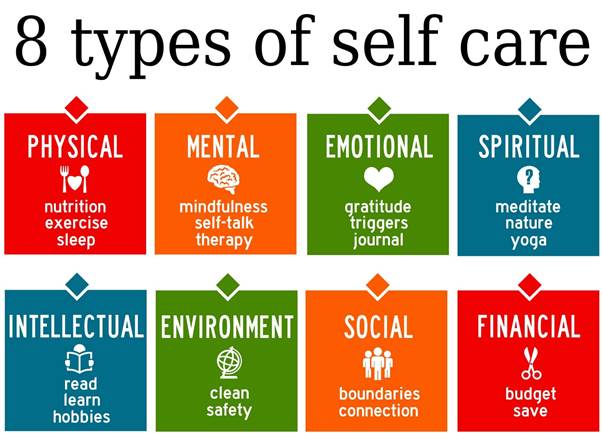
Mental health requires intentional time, not leftover time.
Good time management allows:
- Short meditation or breathing breaks
- Digital detox time
- Reflection and relaxation
These practices reduce anxiety, burnout, and emotional exhaustion.
⚡ 6. Improves Energy and Productivity
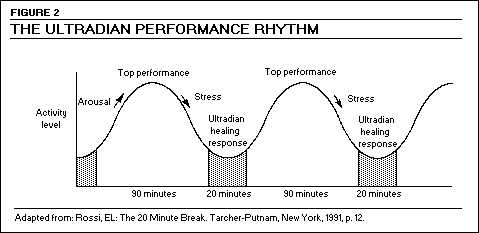
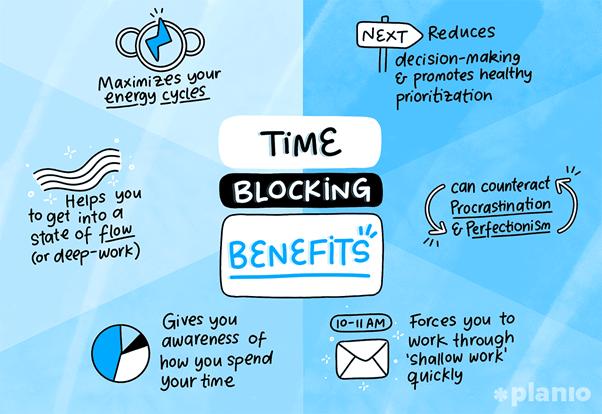
When your time is organized:
- Energy is distributed evenly through the day
- Productivity increases without exhaustion
- Afternoon slumps reduce
A well-planned day prevents burnout and keeps you active and alert.
🛡️ 7. Prevents Lifestyle Diseases

Chronic conditions like obesity, diabetes, and heart disease often develop from:
- Inactivity
- Poor sleep
- Stress
- Irregular routines
Time management supports preventive health by making healthy habits consistent and sustainable.
❌ How Poor Time Management Damages Health
Without time control:
- Sleep becomes irregular
- Meals are rushed or skipped
- Exercise disappears
- Stress increases
- Mental fatigue builds up
Over time, this leads to low immunity, weight gain, anxiety, and chronic health issues.
🛠️ How to Manage Time Better for Health
You don’t need a perfect schedule—just a smart one.
✅ Practical Tips:
- Plan your day the night before
- Fix sleep and wake-up times
- Schedule health like meetings
- Use time blocks for work and rest
- Limit screen time intentionally
📅 Example of a Health-Friendly Daily Schedule
- Morning: Wake up → water → light movement
- Day: Planned meals → focused work → short breaks
- Evening: Walk or exercise → family time
- Night: Screen-free wind-down → fixed bedtime
Small structure creates big health benefits.
🌈 Final Thoughts: Time Is the Hidden Health Tool
You don’t need more hours in the day—you need better control over the hours you already have. When time is managed wisely, healthy choices become natural instead of stressful.
Health is not about doing more.
It’s about doing the right things at the right time.
⏳ Manage your time well—and your health will follow.