
⏰ How Routine Affects Body
Why your daily routine can transform—or damage—your physical and mental health
Most people focus on what they eat or how much they exercise, but often ignore the most powerful health factor of all: their daily routine. The time you wake up, eat, move, work, rest, and sleep creates patterns that your body follows—faithfully and predictably.
A healthy routine aligns with your body’s natural rhythms and supports energy, digestion, hormones, immunity, and mental clarity. A chaotic routine does the opposite. In this article, you’ll discover how routine affects the body, the science behind it, and how to build a routine that helps you feel better every single day.
🌱 What Is a Daily Routine?
A daily routine is the sequence and timing of your regular activities, including:
- Wake-up and sleep time
- Meals and hydration
- Physical activity
- Work, breaks, and screen use
- Relaxation and recovery
Your body doesn’t just respond to what you do—it responds to when and how consistently you do it.
👉 Routine trains your body to function efficiently.
🧠 The Science: Why Routine Matters to the Body
Your body runs on internal clocks, especially the circadian rhythm. This rhythm regulates:
- Sleep–wake cycles
- Hormone release
- Metabolism and digestion
- Body temperature
- Mood and focus
A regular routine keeps these systems synchronized. An irregular routine confuses them—leading to fatigue, poor digestion, weight gain, and stress.
😴 1. Routine Strongly Affects Sleep Quality
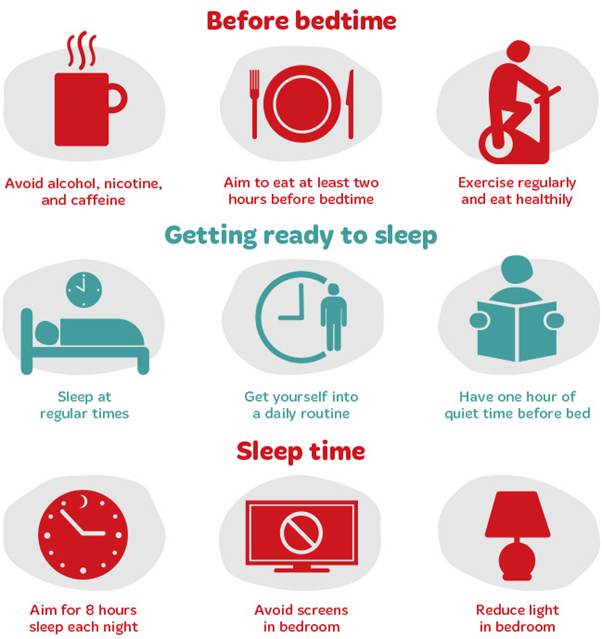
Sleep is the foundation of health—and routine is the foundation of good sleep.
When your routine is consistent:
- You fall asleep faster
- Sleep becomes deeper
- You wake up refreshed
When it’s irregular:
- Insomnia increases
- Hormones get disrupted
- Daytime fatigue rises
👉 Going to bed and waking up at the same time trains your body to rest and recover efficiently.
🍽️ 2. Routine Improves Digestion and Metabolism
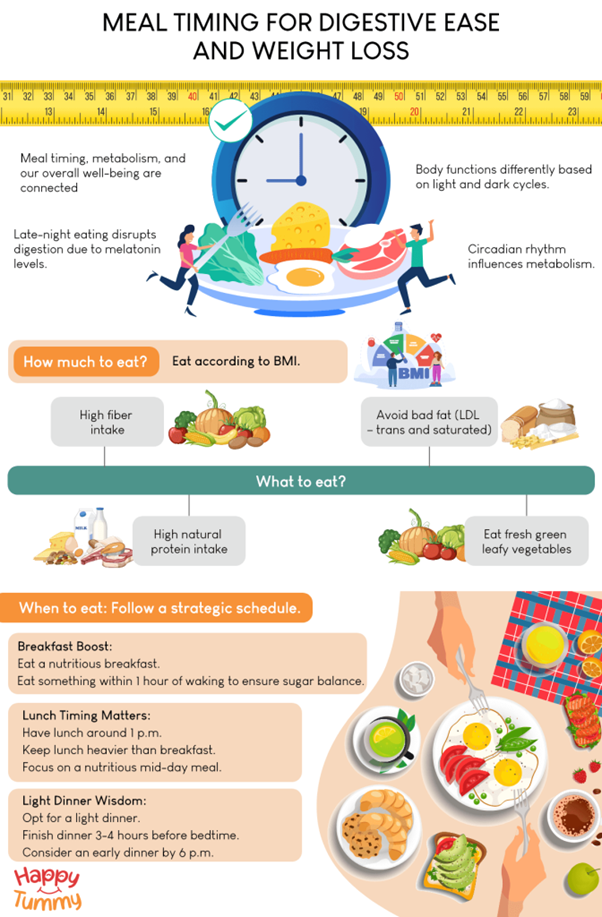
Your digestive system loves predictability.
Benefits of regular meal timing:
- Better digestion and nutrient absorption
- Stable blood sugar levels
- Reduced bloating and acidity
- Improved metabolism
Skipping meals or eating at random times confuses digestion and promotes fat storage.
⚡ 3. Routine Boosts Energy Levels
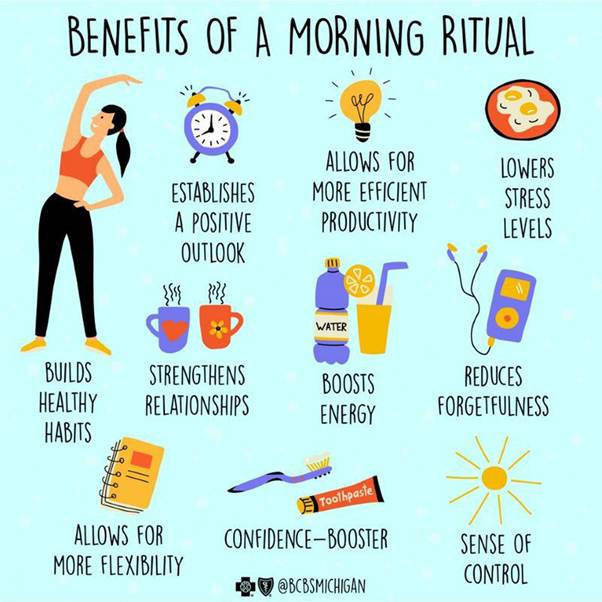
Energy doesn’t come from caffeine alone—it comes from rhythm.
A good routine:
- Balances activity and rest
- Prevents energy crashes
- Improves focus and stamina
A poor routine causes:
- Afternoon slumps
- Constant tiredness
- Dependence on stimulants
👉 The body produces energy more efficiently when it knows what’s coming next.
🏃♂️ 4. Routine Shapes Physical Fitness and Strength

Exercise results depend more on consistency than intensity.
With a routine:
- Muscles adapt and strengthen
- Joints stay mobile
- Injury risk reduces
- Fitness becomes sustainable
Without a routine:
- Workouts become irregular
- Motivation drops
- Progress stalls
Even light daily movement beats sporadic intense workouts.
🧠 5. Routine Stabilizes Mental Health
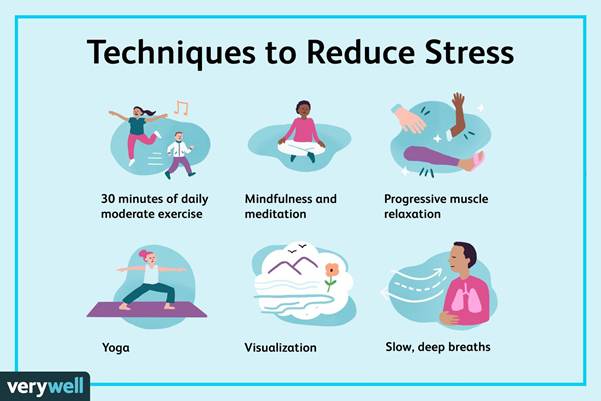
Mental health thrives on structure.
A stable routine:
- Reduces anxiety and stress
- Improves emotional regulation
- Enhances focus and clarity
Chaos in routine increases:
- Overthinking
- Mood swings
- Burnout
👉 Predictability gives the brain a sense of safety.
🩺 6. Routine Supports Hormonal Balance

Hormones respond strongly to routine.
Consistent routines help regulate:
- Cortisol (stress hormone)
- Melatonin (sleep hormone)
- Insulin (blood sugar control)
- Growth and repair hormones
Irregular routines disrupt these hormones, increasing the risk of weight gain, stress, and poor sleep.
🛡️ 7. Routine Strengthens Immunity


Your immune system depends on:
- Quality sleep
- Balanced nutrition
- Regular movement
- Low stress
All of these are supported by a healthy routine. Poor routines weaken immunity and increase illness frequency.
❌ How a Bad Routine Harms the Body
A disorganized routine can lead to:
- Chronic fatigue
- Digestive issues
- Weight gain
- Poor sleep
- High stress and anxiety
- Lifestyle diseases
The body struggles when it doesn’t know when to rest, digest, move, or recover.
🛠️ How to Build a Body-Friendly Routine
You don’t need a perfect schedule. Start simple.
✅ Key principles:
- Fixed sleep and wake times
- Regular meal timing
- Daily movement
- Planned breaks
- Screen limits at night
🧩 Example Simple Routine:
- Morning: Wake → water → light movement
- Day: Balanced meals → work with breaks
- Evening: Walk → relax → limit screens
- Night: Fixed bedtime → quality sleep
Small consistency beats complex planning.
🌈 Final Thoughts: Routine Is the Body’s Best Friend
Your body loves rhythm, predictability, and consistency. When you give it a healthy routine, it rewards you with better sleep, digestion, energy, mood, and long-term wellness.
You don’t need extreme discipline.
You need simple routines repeated daily.
⏰ Fix your routine—and your body will fix itself.