🩺 Lifestyle Disease Explained
What they are, why they’re rising, and how simple daily choices can prevent them
Modern life is comfortable, fast, and connected—but it comes with a hidden cost. Diseases that were once rare are now common, not because of infections, but because of how we live. These are called lifestyle diseases—and understanding them is the first step to prevention.
In this comprehensive guide, you’ll learn what lifestyle diseases are, why they’re increasing worldwide, their most common types, warning signs, and—most importantly—how to prevent and reverse risk with practical habits.
🌱 What Are Lifestyle Diseases?
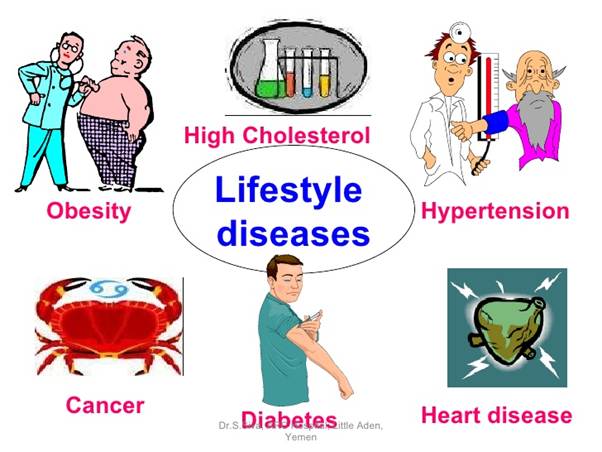
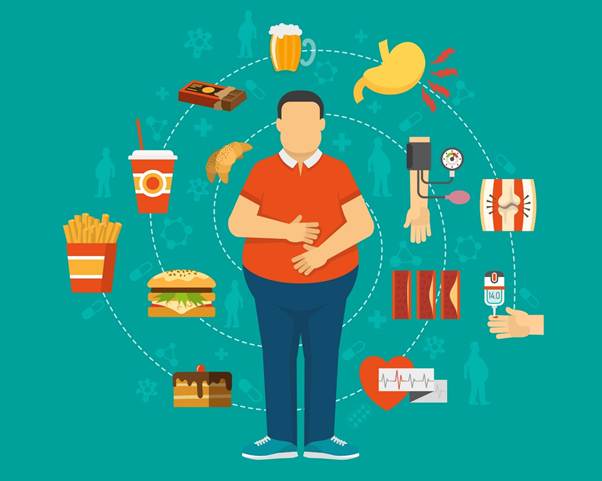
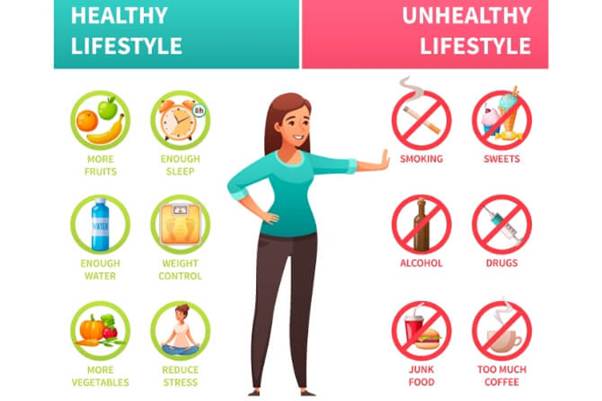
Lifestyle diseases are chronic conditions primarily caused by daily habits rather than germs or genetics alone. They develop slowly and often remain silent for years before symptoms appear.
Key characteristics:
- Non-communicable (not contagious)
- Linked to diet, physical inactivity, stress, sleep, and addictions
- Long-term and progressive—but largely preventable
👉 Lifestyle diseases are not sudden events; they are outcomes of repeated choices.
📈 Why Are Lifestyle Diseases Increasing?

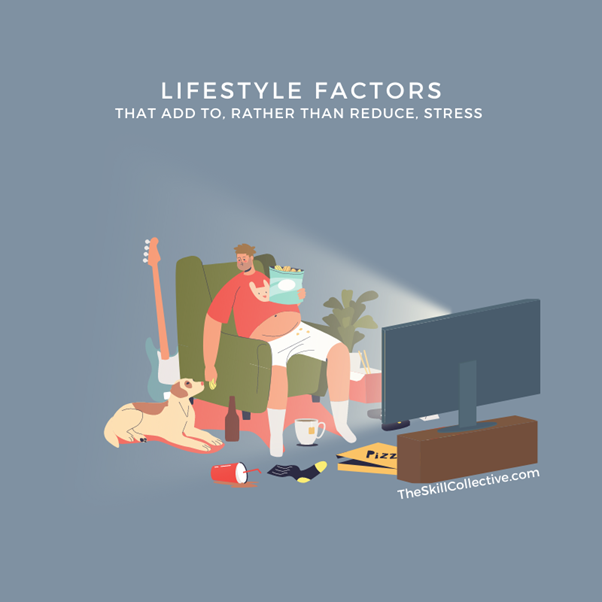
Several modern trends are driving the rise:
- Sedentary living: long hours of sitting and screen time
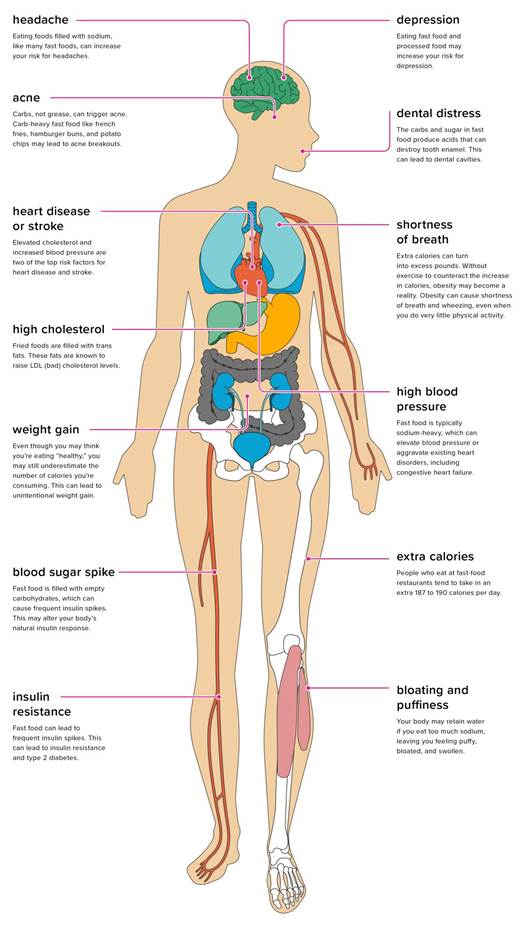
- Unhealthy diets: processed foods, sugar, excess salt
- Chronic stress: work pressure, digital overload
- Poor sleep: irregular schedules, late-night screens
- Addictions: tobacco, alcohol, overeating
Together, these factors disrupt metabolism, hormones, immunity, and mental health.
🧠 Common Types of Lifestyle Diseases
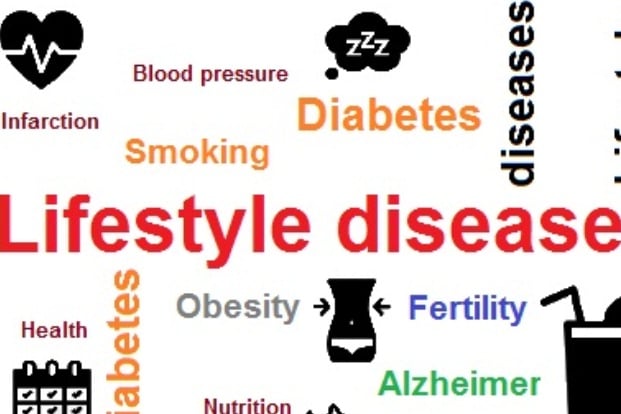
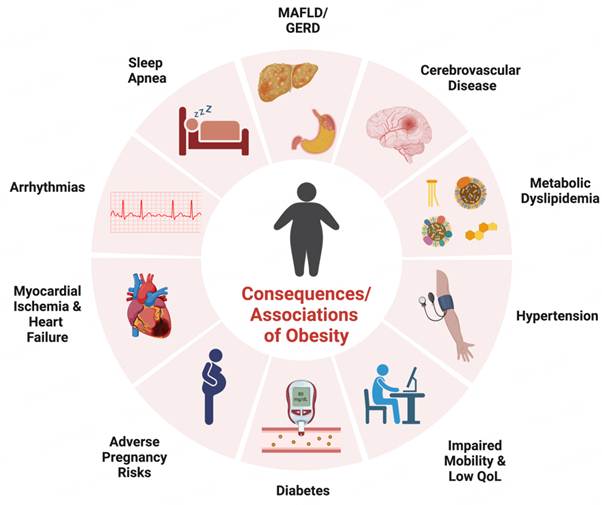
1) Diabetes (Type 2)
Caused by insulin resistance, often linked to poor diet, inactivity, and obesity.
2) Heart Disease & Hypertension
High blood pressure and clogged arteries increase the risk of heart attack and stroke.
3) Obesity
A gateway condition that raises the risk of diabetes, joint problems, and heart disease.
4) High Cholesterol
Often silent, it accelerates plaque buildup in arteries.
5) Mental Health Disorders
Chronic stress, anxiety, and depression are increasingly lifestyle-related.
6) Fatty Liver Disease
Linked to excess sugar, refined carbs, and alcohol.
👉 These conditions often occur together, amplifying risk.
⚠️ Early Warning Signs You Shouldn’t Ignore
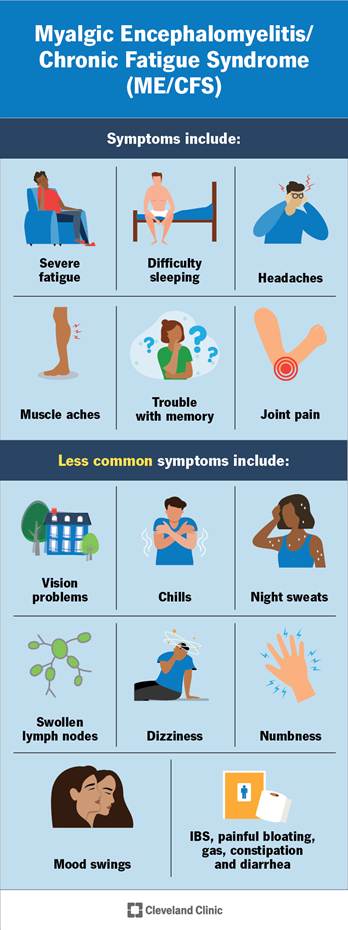
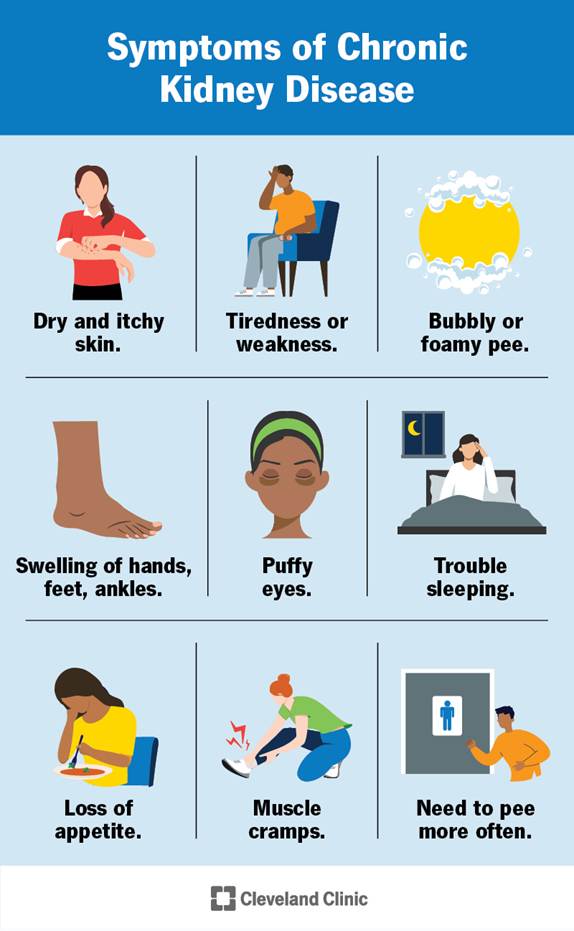
Lifestyle diseases progress quietly. Watch for:
- Persistent fatigue or low energy
- Weight gain around the waist
- Frequent headaches
- Poor sleep or snoring
- Digestive issues
- Mood swings or anxiety
Early awareness enables early action.
🧬 Lifestyle vs Genetics: Who’s Responsible?
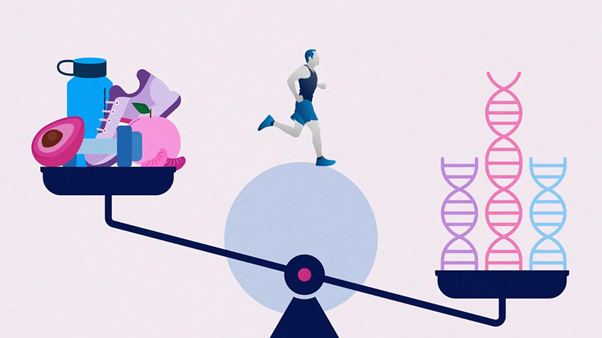
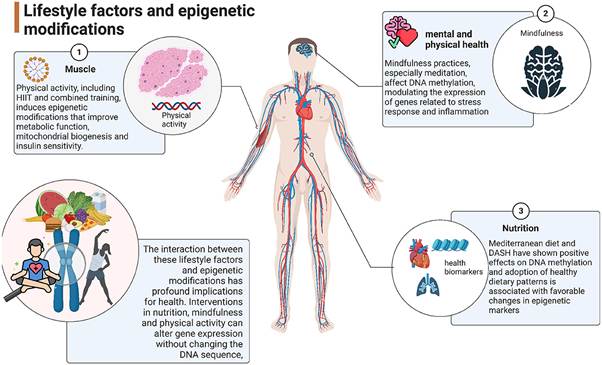
Genetics can increase risk, but lifestyle usually determines outcome. Research shows lifestyle choices influence 70–80% of chronic disease risk through epigenetics—the process by which habits turn genes on or off.
👉 Genes may load the gun; lifestyle pulls the trigger.
🥗 Diet: The Biggest Risk—or the Best Medicine
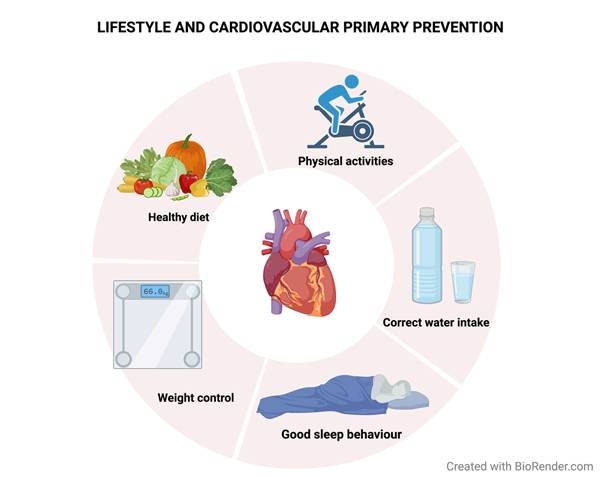
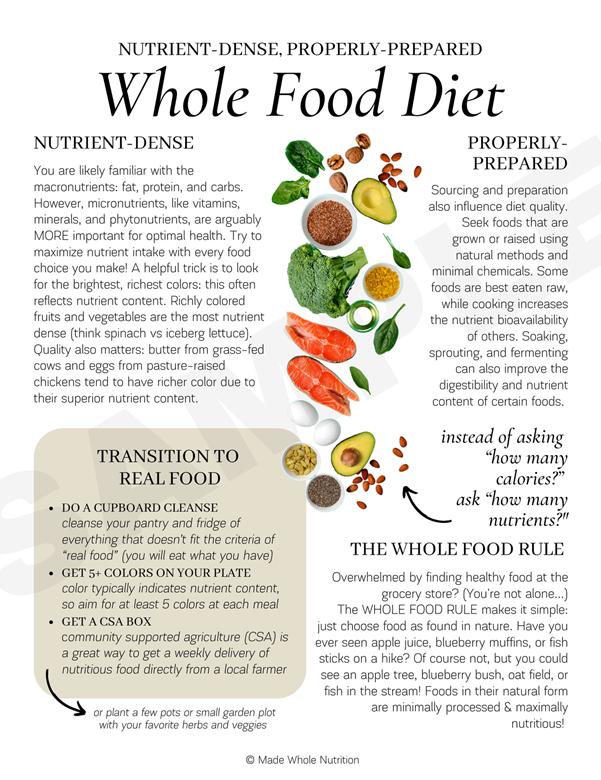
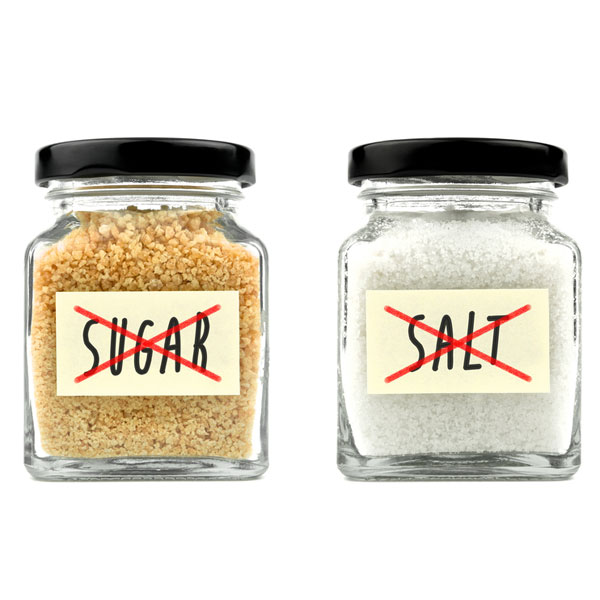
Unhealthy diets drive insulin resistance, inflammation, and heart disease.
Protective nutrition habits:
- Emphasize whole foods (vegetables, fruits, legumes, whole grains)
- Include adequate protein
- Choose healthy fats (nuts, seeds, olive oil)
- Limit sugar, refined carbs, and excess salt
- Practice portion control and mindful eating
👉 Food can be the cause—or the cure.
🏃♂️ Physical Activity: Your Daily Defense System
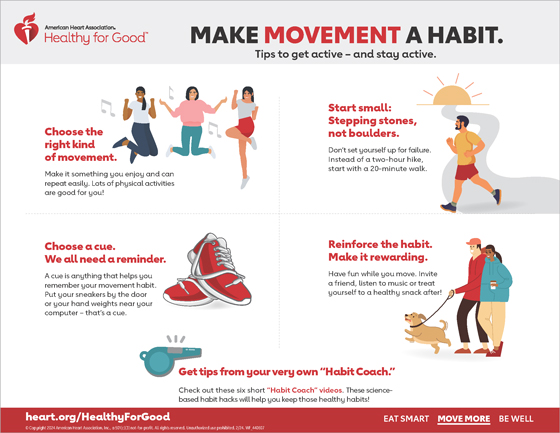

Regular movement improves insulin sensitivity, blood pressure, cholesterol, and mood.
Simple activity targets:
- 30 minutes of brisk walking most days
- Strength training 2–3 times per week
- Break long sitting every 30–60 minutes
👉 Movement is medicine with no side effects.
😴 Sleep & Stress: The Silent Drivers
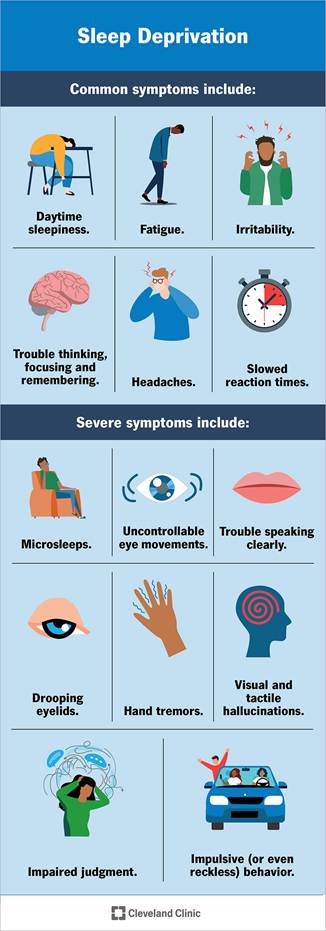
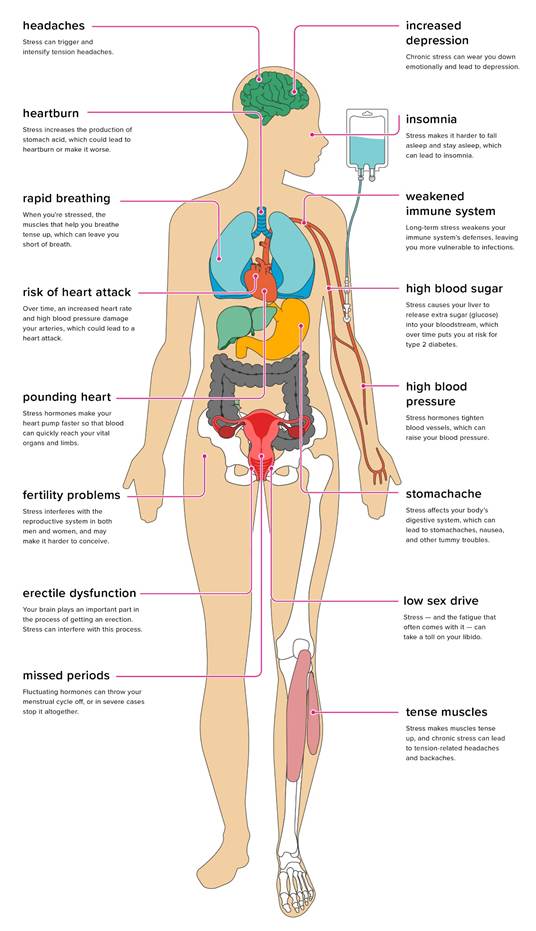
Poor sleep and chronic stress disrupt hormones and increase inflammation.
Protect them by:
- Maintaining consistent sleep times
- Turning screens off 60 minutes before bed
- Practicing breathing, meditation, or mindfulness
- Setting work-life boundaries
👉 Rest is not laziness—it’s prevention.
🚬 Harmful Habits Multiply Risk
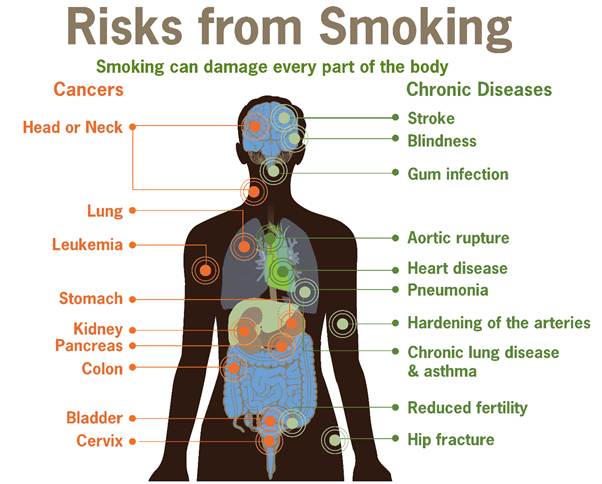
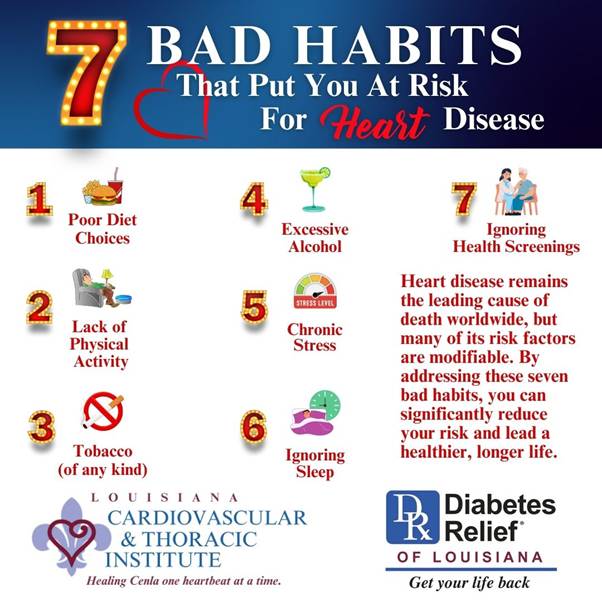
Smoking, excess alcohol, and overeating dramatically raise the risk of lifestyle diseases—especially when combined with genetic predisposition.
👉 Small reductions create big health gains.
🩺 Prevention: The Power of Early Action
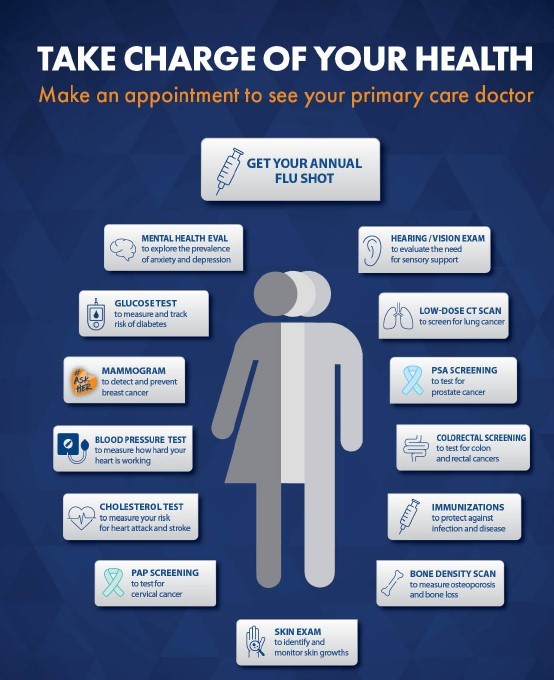
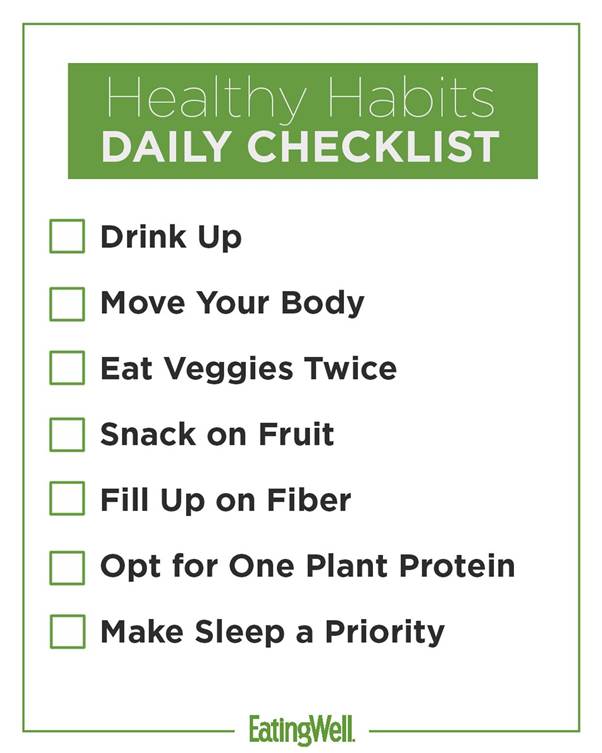
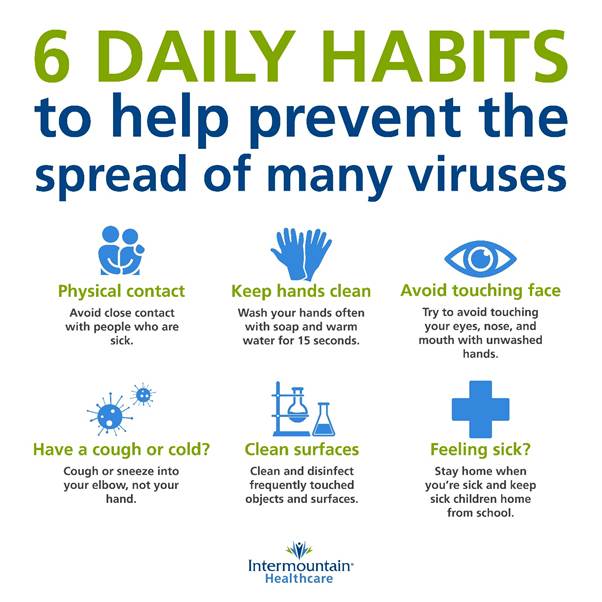
Smart prevention steps:
- Regular health checkups (BP, sugar, cholesterol)
- Waist measurement and weight tracking
- Building simple daily routines
- Managing stress proactively
👉 Prevention costs less than treatment—and pays for life.
🌈 Final Thoughts: Lifestyle Diseases Are Largely Preventable
Lifestyle disease explained in one sentence: they are conditions shaped by daily choices. While modern life increases risk, it also offers tools, knowledge, and flexibility to fight back.
You don’t need perfection.
You need consistent, conscious habits.
🩺 Choose better today—and protect your tomorrow.